
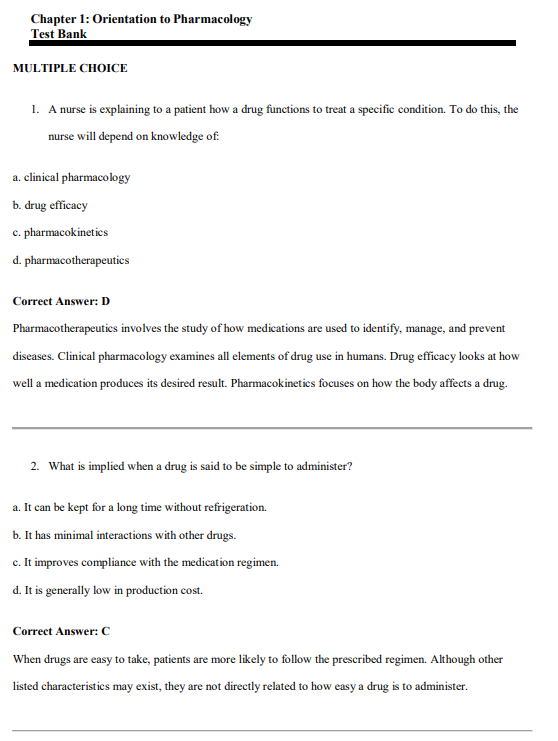

Pharmacology breaks nursing students in a way that almost no other subject does. It is not just the volume — though the volume is enormous. It is the fact that pharmacology does not stay still. Every semester brings new drug classes. Every clinical rotation introduces drugs you have never seen. Every patient has a medication list that can run a dozen lines long, with interactions you have to catch in real time.
Most students try to survive pharmacology by memorizing. They drill drug names, mechanisms, and side effects in isolation, hoping enough of it sticks to get through the exam. That approach works — barely — until the NCLEX asks a question you have never seen, about a drug in a clinical scenario you cannot recognize because you learned facts, not concepts.
Lehne’s Pharmacology for Nursing Care has always taken a different approach. It teaches pharmacology the way a clinician needs to know it — organized around prototypes, built on mechanisms, and applied through the nursing process at every step. The 12th edition, by Jacqueline Burchum and Laura Rosenthal, continues that tradition with updated drug information across every class, revised clinical guidelines, expanded coverage of new pharmacological agents, and stronger integration of the patient teaching and nursing application content that makes pharmacology clinically useful rather than merely academically tolerated.
This test bank was built to match it. Every question connects pharmacological knowledge to clinical nursing action. You do not just identify a mechanism. You apply it — assessing before you give, monitoring after you give, educating the patient about what to expect, and recognizing the finding that tells you to hold the dose and call the provider. That is the pharmacology the NCLEX tests. That is the pharmacology that keeps patients safe.
Table of Contents
UNIT I: INTRODUCTION
1. Orientation to Pharmacology
2. Application of Pharmacology in Nursing Practice
3. Drug Regulation, Development, Names, and Information
UNIT II: BASIC PRINCIPLES OF PHARMACOLOGY
4. Pharmacokinetics
5. Pharmacodynamics
6. Drug Interactions
7. Adverse Drug Reactions and Medication Errors
8. Individual Variation in Drug Responses
9. Genetic and Genomic Considerations
10. Introduction to Immunomodulators
UNIT III: DRUG THERAPY ACROSS THE LIFE SPAN
11. Drug Therapy During Pregnancy and Breastfeeding
12. Drug Therapy in Pediatric Patients
13. Drug Therapy in Older Adults
UNIT IV: PERIPHERAL NERVOUS SYSTEM DRUGS
SECTION 1: Introduction
14. Basic Principles of Neuropharmacology
15. Physiology of the Peripheral Nervous System
SECTION 2: Cholinergic Drugs
16. Muscarinic Agonists
17. Muscarinic Antagonists
18. Cholinesterase Inhibitors and Their Use in Myasthenia Gravis
19. Drugs that Block Nicotinic Cholinergic Transmission
SECTION 3: Adrenergic Drugs
20. Adrenergic Agonists
21. Adrenergic Antagonists
22. Indirect-Acting Antiadrenergic Agents
UNIT V: CENTRAL NERVOUS SYSTEM DRUGS
SECTION 4: Introduction
23. Introduction to Central Nervous System Pharmacology
SECTION 5: Drugs for Neurodegenerative Disorders
24. Drugs for Parkinson Disease
25. Drugs for Alzheimer Disease
26. Drugs for Multiple Sclerosis
SECTION 6: Neurologic Drugs
27. Drugs for Seizure Disorders
28. Drugs for Muscle Spasm and Spasticity
SECTION 7: Drugs for Pain
29. Local Anesthetics
30. General Anesthetics
31. Opioid Analgesics, Opioid Antagonists, and Nonopioid Centrally Acting Analgesics
32. Pain Management in Patients with Cancer
33. Drugs for Headache
SECTION 8: Psychotherapeutic Drugs
34. Antipsychotic Agents and Their Use in Schizophrenia
35. Antidepressants
36. Drugs for Bipolar Disorder
37. Sedative-Hypnotic Drugs
38. Management of Anxiety Disorders
39. Central Nervous System Stimulants and Attention-Deficit/Hyperactivity Disorder
SECTION 9: Substance Use Disorders
40. Substance Use Disorders I: Basic Considerations
41. Substance Use Disorders II: Alcohol
42. Substance Use Disorders III: Nicotine
43. Substance Use Disorders IV: Major Drugs of Abuse other Than Alcohol and Nicotine
UNIT VI: DRUGS THAT AFFECT FLUID AND ELECTROLYTE BALANCE
44. Diuretics
45. Agents Affecting the Volume and Ion Content of Body Fluids
UNIT VII: DRUGS THAT AFFECT THE HEART, BLOOD VESSELS, AND BLOOD
46. Review of Hemodynamics
47. Drugs Acting on the Renin-Angiotensin-Aldosterone System
48. Calcium Channel Blockers
49. Vasodilators
50. Drugs for Hypertension
51. Drugs for Heart Failure
52. Antidysrhythmic Drugs
53. Drugs That Help Normalize Cholesterol and Triglyceride Levels
54. Drugs for Angina Pectoris
55. Anticoagulant, Antiplatelet, and Thrombolytic Drugs
56. Management of ST-Elevation Myocardial Infarction
57. Drugs for Hemophilia
58. Drugs for Deficiency Anemias
59. Hematopoietic Agents
UNIT VIII: DRUGS FOR ENDOCRINE DISORDERS
60. Drugs for Diabetes Mellitus
61. Drugs for Thyroid Disorders
62. Drugs Related to Hypothalamic and Pituitary Function
63. Drugs for Disorders of the Adrenal Cortex
UNIT IX: REPRODUCTIVE HEALTH
64. Estrogens and Progestins: Basic Pharmacology and Noncontraceptive Applications
65. Birth Control
66. Drug Therapy of Infertility
67. Drugs That Affect Uterine Function
68. Androgens
69. Drugs for Erectile Dysfunction and
Benign Prostatic Hyperplasia
70. Transgender Health
UNIT X: ANTI-INFLAMMATORY, ANTIALLERGIC, AND IMMUNOLOGIC DRUGS
71. Review of the Immune System
72. Childhood Immunization
73. Immunosuppressants
74. Antihistamines
75. Cyclooxygenase Inhibitors: Nonsteroidal Anti-inflammatory Drugs and Acetaminophen
76. Glucocorticoids in Nonendocrine Disorders
UNIT XI: DRUGS FOR BONE AND JOINT DISORDERS
77. Drug Therapy for Rheumatoid Arthritis
78. Drug Therapy of Gout
79. Drugs Affecting Calcium Levels and Bone Mineralization
UNIT XII: RESPIRATORY TRACT DRUGS
80. Drugs for Asthma and Chronic Obstructive Pulmonary Disease
81. Drugs for Allergic Rhinitis, Cough, and Colds
UNIT XIII: GASTROINTESTINAL DRUGS
82. Drugs for Peptic Ulcer Disease
83. Laxatives
84. Other Gastrointestinal Drugs
UNIT XIV: NUTRITION AND COMPLIMENTARY THERAPY
85. Vitamins
86. Drugs for Weight Loss
87. Complementary and Alternative Therapy
UNIT XV: THERAPY OF INFECTIOUS DISEASES
88. Basic Principles of Antimicrobial Therapy
89. Drugs That Weaken the Bacterial Cell Wall I: Penicillins
90. Drugs That Weaken the Bacterial Cell Wall II: Other Drugs
91. Bacteriostatic Inhibitors of Protein Synthesis: Tetracyclines, Macrolides, and Others
92. Aminoglycosides: Bactericidal Inhibitors of Protein Synthesis
93. Sulfonamide Antibiotics and Trimethoprim
94. Drug Therapy for Urinary Tract Infections
95. Antimycobacterial Agents: Drugs for Tuberculosis
96. Miscellaneous Antibacterial Drugs: Fluoroquinolones, Metronidazole, Daptomycin, Rifampin, Rifaximin, and Fidaxomicin
97. Antifungal Agents
98. Antiviral Agents I: Drugs for Non-HIV Viral Infections
99. Antiviral Agents II: Drugs for HIV Infection and Related Opportunistic Infections
100. Drug Therapy for Sexually Transmitted Infections
101. Antiseptics and Disinfectants
UNIT XVI: CHEMOTHERAPY OF PARASITIC DISEASES
102. Anthelmintics
103. Antiprotozoal Drugs I: Antimalarial Agents
104. Antiprotozoal Drugs II: Miscellaneous Agents
105. Ectoparasiticides
UNIT XVII: CANCER CHEMOTHERAPY
106. Basic Principles of Cancer Treatment
107. Anticancer Drugs I: Cytotoxic Agents
108. Anticancer Drugs II: Hormonal Agents, Targeted Drugs, and Other Noncytotoxic Anticancer Drugs
UNIT XVIII: MISCELLANEOUS DRUGS AND THERAPIES
109. Dr for the Eye Conditions and Diseases
110. Drugs for Skin Conditions
111. Drugs for Ear Conditions
UNIT XIX: TOXICOLOGY
112. Management of Poisoning
113. Potential Weapons of Biologic, Radiologic, and Chemical Terrorism
What Is Inside
You get over a thousand practice questions covering every major drug class and nursing process application in Burchum and Rosenthal’s 12th edition. Questions are written in multiple-choice, select-all-that-apply, and ordered response formats — consistent with what you will encounter on nursing school exams and the NCLEX-RN.
Every question has a clearly marked correct answer. Every answer includes a full written rationale. The rationale explains the pharmacological mechanism, the nursing process step being tested, the clinical reasoning behind the correct choice, and why each wrong option reflects an error in drug knowledge, patient safety, or clinical application. Reading every rationale — especially for questions you answer correctly — is how pharmacology knowledge builds from isolated facts into the integrated clinical understanding that lasts through your career.
Drug Classes and Topics Covered
The test bank follows the complete structure of Burchum and Rosenthal’s 12th edition across all major pharmacological categories, including:
Foundations of Pharmacology — pharmacokinetic principles including absorption, distribution, metabolism, and excretion, pharmacodynamic principles including receptor theory, dose-response relationships, and drug potency, drug interactions including pharmacokinetic and pharmacodynamic mechanisms, adverse drug reactions and toxicity, drug development and the FDA approval process, medication safety principles and the rights of medication administration, pharmacology across the lifespan including pediatric, pregnancy, and geriatric considerations, and the nurse’s role in medication management and adverse event reporting
Peripheral Nervous System Pharmacology — cholinergic agonists and clinical applications, anticholinergic drugs and nursing implications including atropine and scopolamine, adrenergic agonists including alpha and beta receptor stimulation, adrenergic antagonists including alpha blockers and beta blockers across clinical indications, and neuromuscular blocking agents
Central Nervous System Pharmacology — sedative-hypnotics including benzodiazepines and non-benzodiazepine sleep agents, opioid analgesics including morphine, hydromorphone, oxycodone, and fentanyl with nursing implications for each, opioid antagonists including naloxone and its clinical use, non-opioid analgesics including acetaminophen and NSAIDs with safety considerations, antiepileptic drugs including mechanism-based drug selection and nursing monitoring, drugs for Parkinson’s disease, drugs for Alzheimer’s disease, antipsychotic drugs including first and second generation with monitoring requirements, antidepressants including SSRIs, SNRIs, TCAs, and MAOIs with safety profile comparisons, mood stabilizers including lithium and anticonvulsant mood stabilizers, anxiolytics and drugs for anxiety disorders, drugs for attention-deficit hyperactivity disorder, and substance use pharmacology including alcohol, opioid use disorder treatment, and smoking cessation
Cardiovascular Pharmacology — diuretics including thiazides, loop diuretics, and potassium-sparing agents with electrolyte monitoring implications, antihypertensive agents including ACE inhibitors, ARBs, calcium channel blockers, beta blockers, and direct vasodilators with patient selection and nursing monitoring, heart failure pharmacotherapy including guideline-directed medical therapy with nursing application, antidysrhythmic drugs across all Vaughan-Williams classes with ECG monitoring considerations, antianginal drugs including nitrates, beta blockers, and calcium channel blockers, cardiac glycosides including digoxin toxicity recognition and management, anticoagulants including unfractionated heparin, low-molecular-weight heparins, direct oral anticoagulants, and warfarin with reversal agents and monitoring parameters, antiplatelet agents, thrombolytics, and lipid-lowering drugs including statins and PCSK9 inhibitors
Respiratory Pharmacology — beta-2 adrenergic agonists including short-acting rescue inhalers and long-acting controller agents, inhaled and systemic corticosteroids in respiratory disease, anticholinergic bronchodilators, leukotriene modifiers, methylxanthines, drugs for allergic rhinitis including antihistamines and intranasal corticosteroids, antitussives and expectorants, decongestants and their contraindications, and drugs for pulmonary arterial hypertension
Gastrointestinal Pharmacology — antacids, H2 receptor antagonists, and proton pump inhibitors with safety considerations including long-term PPI risks, drugs for Helicobacter pylori eradication, antiemetics including ondansetron, metoclopramide, and cannabinoids, drugs for nausea and vomiting of pregnancy, laxatives and cathartics by mechanism, antidiarrheal agents, drugs for inflammatory bowel disease, and drugs for irritable bowel syndrome
Endocrine Pharmacology — insulin types and pharmacokinetic profiles with injection technique and storage nursing implications, oral antidiabetic agents including metformin, sulfonylureas, SGLT-2 inhibitors, GLP-1 receptor agonists, DPP-4 inhibitors, and thiazolidinediones with safety profiles and nursing monitoring, thyroid preparations and antithyroid drugs, glucocorticoids with adrenal suppression implications, estrogens and progestins including contraceptive pharmacology, androgens and anabolic steroids, and drugs for osteoporosis
Anti-Infective Pharmacology — antibacterial drug classes including penicillins, cephalosporins, carbapenems, aztreonam, vancomycin, aminoglycosides, tetracyclines, macrolides, fluoroquinolones, sulfonamides, and metronidazole with mechanism and resistance considerations, antiviral agents including antiretrovirals across all classes and antiviral agents for herpes, influenza, and hepatitis, antifungal drugs including azoles, echinocandins, and amphotericin B with toxicity monitoring, antimycobacterial drugs including tuberculosis treatment regimens, and antiparasitic agents
Immune System Pharmacology — immunosuppressants including calcineurin inhibitors, antiproliferative agents, and biologics with infection risk monitoring, vaccines and immunoglobulins including immunization schedule considerations, cytokines and biologic response modifiers including monoclonal antibodies, and drugs used in transplant medicine
Cancer Pharmacology — antineoplastic drug classes including alkylating agents, antimetabolites, antitumor antibiotics, vinca alkaloids, and taxanes, targeted cancer therapies including tyrosine kinase inhibitors and CDK inhibitors, immune checkpoint inhibitors and nursing monitoring, hormonal cancer therapies, hematopoietic growth factors in oncology, and nursing management of chemotherapy toxicities including myelosuppression, nausea, mucositis, and peripheral neuropathy
Women’s Health Pharmacology — hormonal contraceptives including combined and progestin-only methods with contraindications and drug interactions, emergency contraception, drugs for infertility, pharmacology of labor and delivery including oxytocin, tocolytics, and cervical ripening agents, and drugs for postpartum hemorrhage
Dermatological Pharmacology — topical corticosteroids and their potency classification, acne pharmacotherapy, antifungal and antibacterial topical agents, drugs for psoriasis, and sunscreens and dermatological protectants
Special Population Pharmacology — pharmacokinetic changes in pediatric patients and weight-based dosing principles, FDA pregnancy categories and lactation risk considerations, pharmacokinetic alterations in older adults and the Beers Criteria application, and renal and hepatic impairment dose adjustment principles
Who Should Use This
This test bank is the right resource for nursing students whose pharmacology course uses Burchum and Rosenthal’s 12th edition and who need consistent chapter-by-chapter practice that goes beyond memorization to application, students who struggle with pharmacology because they have been trying to memorize drug lists rather than understand mechanisms and clinical applications, NCLEX-RN candidates who want to strengthen the pharmacological and parenteral therapies content area — one of the most heavily tested domains on the examination, nursing instructors who teach pharmacology and need a comprehensive, clinically grounded question pool for building unit exams, quizzes, and comprehensive final assessments, and students in accelerated or second-degree nursing programs who need high-volume pharmacology practice within a condensed study timeline.
Why the 12th Edition Specifically
Pharmacology changes constantly. New drug classes enter clinical practice and displace older agents. Safety warnings are added. Clinical guidelines shift first-line therapy recommendations. The 12th edition of Burchum and Rosenthal incorporates all of these changes — with updated content on SGLT-2 inhibitors and GLP-1 receptor agonists in diabetes and cardiovascular disease, updated anticoagulation pharmacology including direct oral anticoagulants, revised opioid stewardship content reflecting the ongoing opioid crisis, updated HIV antiretroviral therapy, expanded coverage of biologic and targeted cancer therapies, and stronger integration of current NCLEX pharmacology testing priorities.
This test bank was written to align with the 12th edition specifically. The drug information, clinical guidelines, and nursing application content in the questions reflect what is in this edition. If your program uses the 12th edition, this is the test bank that matches it.
5 Sample Questions
Question 1
A patient with heart failure and chronic kidney disease has been prescribed spironolactone 25 mg daily in addition to furosemide. Two weeks after starting spironolactone, the patient calls the clinic reporting muscle weakness and palpitations. The nurse reviews the patient’s most recent lab work and notes a serum potassium of 6.4 mEq/L. Which pharmacological principle explains this finding and what is the nursing priority?
A. Spironolactone and furosemide both cause hypokalemia, and the combined effect has caused a dangerous potassium drop requiring immediate supplementation
B. Spironolactone is a potassium-sparing diuretic that inhibits aldosterone, reducing potassium excretion — combined with reduced renal clearance from CKD, the result is hyperkalemia requiring immediate provider notification and medication review
C. The muscle weakness is an expected side effect of furosemide and does not require any change in the current medication regimen
D. Spironolactone blocks sodium reabsorption without affecting potassium, so it cannot be causing this finding
Correct Answer: B
Spironolactone is an aldosterone antagonist that blocks the sodium-potassium exchange in the collecting duct, resulting in sodium excretion and potassium retention — hence the classification as a potassium-sparing diuretic. In a patient with chronic kidney disease whose renal potassium clearance is already impaired, adding spironolactone creates a significant risk of hyperkalemia. A potassium of 6.4 mEq/L with cardiac symptoms of palpitations and neuromuscular symptoms of weakness is a clinical emergency. The nurse must notify the provider immediately, hold spironolactone, and anticipate interventions to lower serum potassium. Furosemide causes potassium loss, not retention — the two drugs have opposing effects on potassium, which is why the combination is used carefully and requires close monitoring.
Question 2
A nurse is educating a patient newly prescribed sertraline for major depressive disorder. The patient asks when they will start feeling better. Which response most accurately reflects the pharmacology of SSRIs?
A. “You should feel significantly better within the first 24 to 48 hours since the medication begins working immediately.”
B. “Most patients notice full improvement within one to two weeks of starting the medication.”
C. “It typically takes two to four weeks to notice mood improvement, and full therapeutic effect may take six to eight weeks — it is important to continue taking the medication even if you do not feel better right away.”
D. “SSRIs begin working immediately in the brain, but side effects may delay your sense of improvement for a few days.”
Correct Answer: C
SSRIs like sertraline produce their antidepressant effect through gradual neuroadaptive changes — including increased serotonin availability, receptor downregulation, and neuroplasticity changes — that take time to develop. The antidepressant effect typically begins to emerge after two to four weeks and reaches its full potential over six to eight weeks. Side effects, on the other hand, often appear within the first few days — particularly nausea, insomnia, and headache — which can be discouraging to patients who are not seeing mood benefit yet. This discordance between early side effects and delayed therapeutic benefit is a leading reason patients discontinue antidepressant therapy too soon. The nurse’s education must set accurate expectations to support adherence.
Question 3
A nurse is preparing to administer IV vancomycin 1250 mg to a patient with MRSA bacteremia. The pharmacy has prepared the dose in 250 mL of normal saline. The nurse notes the infusion is scheduled to run over 60 minutes. Which safety concern should the nurse address before starting the infusion?
A. The dose is too high for a single infusion and must be divided into two smaller doses given separately
B. The infusion rate is too fast — vancomycin should be infused over at least 60 minutes per gram, making this dose appropriate for a minimum of 90 minutes to reduce the risk of Red Man Syndrome
C. Vancomycin cannot be mixed with normal saline and must be reconstituted in dextrose 5% in water
D. The dose requires a central venous catheter and cannot be safely administered through a peripheral IV
Correct Answer: B
Vancomycin must be infused slowly to prevent Red Man Syndrome — a rate-related infusion reaction characterized by flushing, erythema, and pruritus of the face, neck, and upper chest caused by direct mast cell degranulation from rapid drug delivery. The general guideline is to infuse vancomycin over at least 60 minutes per gram of drug. For a 1250 mg dose, the minimum safe infusion time is approximately 90 minutes. Infusing 1250 mg over only 60 minutes — equivalent to approximately 20 mg per minute — exceeds the safe rate and significantly increases Red Man Syndrome risk. The nurse should contact the pharmacy and provider to extend the infusion time before initiating the dose. Vancomycin is compatible with normal saline and can be given peripherally in most cases.
Question 4
A patient is taking phenytoin for a seizure disorder and is started on a new course of fluconazole for a fungal infection. The patient’s phenytoin level, previously stable at 14 mcg/mL, is now 22 mcg/mL three days after starting fluconazole. The patient reports feeling dizzy and unsteady. Which pharmacological interaction explains this finding?
A. Fluconazole induces CYP2C9, the enzyme responsible for phenytoin metabolism, causing faster clearance and a lower drug level
B. Fluconazole inhibits CYP2C9, reducing phenytoin metabolism and causing drug accumulation and toxicity
C. Fluconazole displaces phenytoin from plasma protein binding sites, increasing free drug without changing total levels
D. The two drugs share the same renal excretion pathway, and fluconazole blocks phenytoin elimination through competitive inhibition
Correct Answer: B
Phenytoin is primarily metabolized by the cytochrome P450 enzyme CYP2C9. Fluconazole is a potent inhibitor of CYP2C9, which significantly reduces the hepatic metabolism of phenytoin, causing drug accumulation and elevated plasma levels. A phenytoin level of 22 mcg/mL is above the therapeutic range of 10 to 20 mcg/mL, and the patient’s dizziness and ataxia are classic signs of phenytoin toxicity. This interaction is clinically important and predictable — nurses caring for patients on phenytoin must recognize CYP2C9 inhibitors as drugs requiring close monitoring of phenytoin levels and dose adjustment. This is a fundamental concept in pharmacology: understanding cytochrome P450 drug interactions allows nurses to anticipate and prevent toxicity.
Question 5
A nurse is reviewing the medication administration record for an 82-year-old patient who has been prescribed diphenhydramine 50 mg at bedtime for insomnia since before admission. The patient has a history of benign prostatic hyperplasia and glaucoma. Which nursing action best reflects pharmacological safety for this patient?
A. Administer the diphenhydramine as ordered since the dose is within the standard adult range
B. Hold the diphenhydramine, consult with the provider about discontinuing it, and advocate for safer sleep management alternatives in this older adult
C. Reduce the dose to 25 mg and administer it with food to reduce gastrointestinal side effects
D. Administer the diphenhydramine and monitor the patient for next-day drowsiness as the only expected concern
Correct Answer: B
Diphenhydramine is a first-generation antihistamine with potent anticholinergic properties that make it potentially dangerous in older adults — it is explicitly listed on the American Geriatrics Society Beers Criteria as a potentially inappropriate medication for this population. Its anticholinergic effects include urinary retention — which directly worsens benign prostatic hyperplasia — and increased intraocular pressure, which can precipitate acute angle-closure glaucoma. Additional risks include confusion, delirium, sedation, and fall risk. This patient has two specific conditions that make diphenhydramine not just suboptimal but potentially harmful. The pharmacologically safe nursing action is to hold the medication and advocate for alternatives — including sleep hygiene education, low-dose melatonin, or provider-assessed alternatives — rather than to administer a drug that poses clear, predictable risks for this individual.
Frequently Asked Questions
Is this the official Elsevier test bank for Burchum and Rosenthal’s 12th edition?
No. This is an independently developed study resource based on the content of Jacqueline Burchum and Laura Rosenthal’s 12th edition. It is not published or endorsed by Elsevier or the original authors. It is a supplementary exam preparation tool for nursing students and faculty.
How many questions are in the test bank?
There are over a thousand questions distributed across all major drug classes and nursing process application areas in the 12th edition, with the greatest concentration in cardiovascular pharmacology, CNS pharmacology, anti-infective agents, and endocrine pharmacology — the highest-yield areas for nursing school exams and the NCLEX.
Lehne’s organizes pharmacology by prototype drugs. Does this test bank follow that approach?
Yes. The questions are written to reflect Lehne’s prototype-based organization — testing understanding of the prototypical drug and its mechanism before applying that understanding to related drugs in the same class. This mirrors how Burchum and Rosenthal teach pharmacology and reinforces the conceptual organization that makes Lehne’s so effective.
Is pharmacology heavily tested on the NCLEX-RN?
Yes. Pharmacological and parenteral therapies is one of the largest client needs subcategories on the NCLEX-RN. Questions are almost always written at the application level — asking what the nurse would assess before giving a drug, what side effect or toxicity sign to monitor for, what the nurse would teach the patient, or what finding would cause the nurse to hold the dose. Every question in this test bank is written at that same applied level.
I am struggling in pharmacology. What is the most effective way to use this test bank?
Stop trying to memorize isolated drug facts. Instead, work through this test bank one chapter at a time, organized by drug class. For each class, focus on four questions: What does this drug do? What do I assess before giving it? What do I monitor for after? What do I teach the patient? The answers to those four questions drive 90% of pharmacology NCLEX questions. Read every rationale, even for correct answers — the rationale explains the mechanism behind the answer, and understanding mechanisms is what allows you to correctly answer questions about drugs you have never seen before.
Does every question include a rationale?
Yes, without exception. Every question has a correct answer and a full written rationale explaining the pharmacological mechanism, the nursing process step being tested, and why each wrong option reflects an error in drug knowledge or clinical application. In pharmacology, understanding why a wrong answer is wrong is often more valuable than knowing why the right answer is right.
Can nursing faculty use this to build pharmacology course exams?
Yes. Questions are organized by drug class and chapter, making it straightforward to build unit exams, comprehensive finals, or drug calculation and clinical application assessments appropriate for undergraduate nursing pharmacology courses.
What file format is the test bank delivered in?
It comes as a digital file, typically in Word or PDF format. You can search by drug class, drug name, or mechanism, print specific chapters for focused study sessions, and access it across multiple devices. Many students organize their study sessions by drug class, working through all related questions before moving to the next class — which reinforces Lehne’s prototype-based organizational approach.
Is this test bank specific to the 12th edition only?
Yes. It was written to align with the drug information, clinical guidelines, and nursing application content of the 12th edition — including updated content on SGLT-2 inhibitors, direct oral anticoagulants, biologic therapies, and revised opioid stewardship content. Drug information changes between editions, and earlier editions may not reflect current safety warnings or first-line therapy recommendations. Always confirm your edition before purchasing.
Lucille Maria –
A solid resource for nursing pharmacology exam review
Winnie M. –
Helped me identify and work on my weak areas
Bruno Molino –
A Simple, effective, and well organized nursing pharmacology resource
Karen Njiru –
A very helpful practice material
Lisa Horton –
Reinforced concepts from the coursework
Perpetual Gates –
Perfect
Tess Mwaure –
A solid nursing pharmacology study guide