Medical-surgical nursing is the largest, most demanding content area in nursing education. It is also where the NCLEX tests you the hardest and the longest. Every body system. Every major disease. Every nursing priority. Every medication class. Every patient education scenario. It all lives inside med-surg.
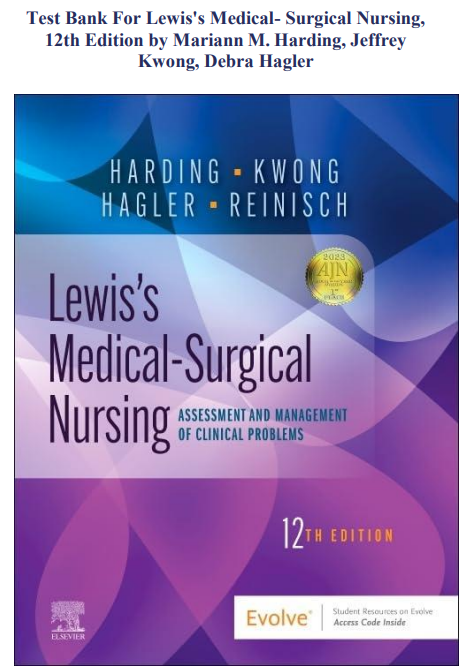
Lewis’s Medical-Surgical Nursing has been the gold standard med-surg textbook for decades. The 12th edition, by Mariann Harding, Jeffrey Kwong, and Debra Hagler, continues that tradition — combining deep clinical content with a strong emphasis on pathophysiology, nursing management, and the kind of clinical judgment the Next Generation NCLEX demands.
This test bank was built to match it. Every question is drawn from the content, framework, and clinical approach of the 12th edition. You do not just practice answering questions. You practice thinking the way Lewis’s teaches you to think — systematically, pathophysiology first, nursing priorities second, patient safety always.
What Is Inside
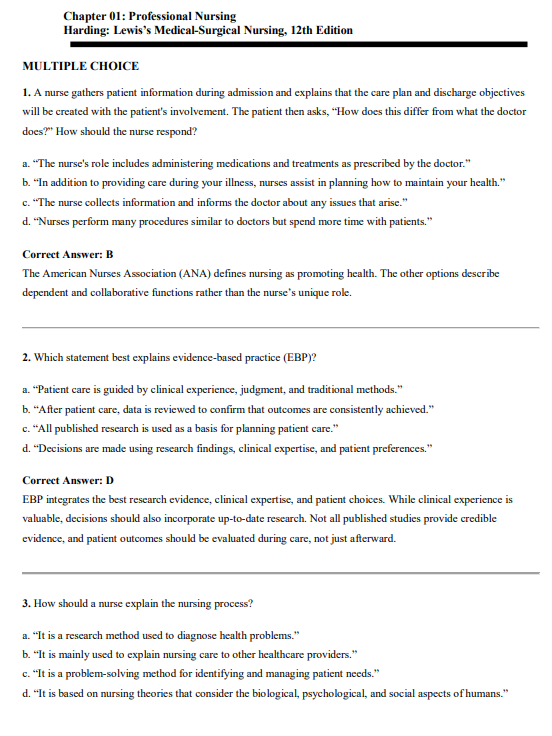
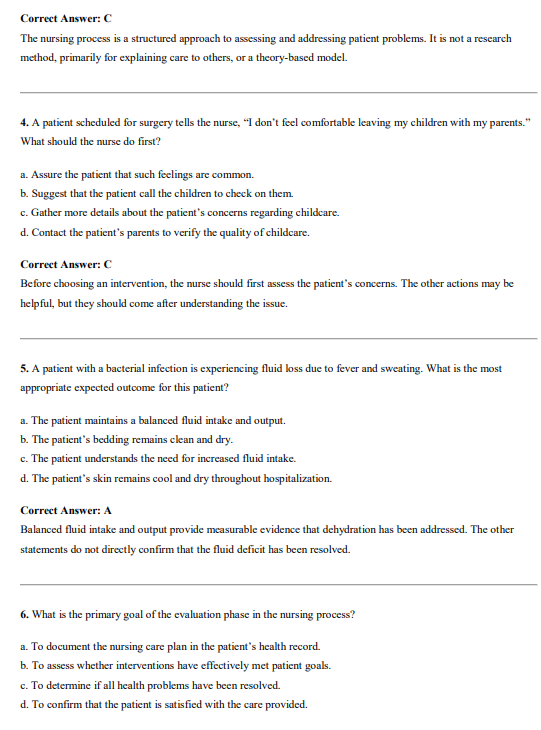
You get over a thousand practice questions covering every major body system and clinical topic in the 12th edition. Questions are written in multiple-choice, select-all-that-apply, ordered response, and NGN-style clinical judgment formats — consistent with what you will face on nursing school exams and the Next Generation NCLEX-RN.
Every question has a clearly marked correct answer. Every answer includes a full written rationale. The rationale connects the answer to the underlying pathophysiology, the nursing management approach, and the clinical priorities that make it correct. Reading those rationales consistently is what builds the layered thinking Lewis’s was designed to develop.
Topics Covered
The test bank follows the complete structure of Lewis’s 12th edition across every major content unit, including:
Concepts in Nursing Practice — professional nursing practice, health disparities and equity, cultural competence, stress and coping, sleep and rest, pain assessment and management, palliative and end-of-life care, and substance use disorders in clinical settings
Pathophysiology and Clinical Care Foundations — inflammation and wound healing, genetics and genomics in nursing practice, immune responses and allergies, cancer pathophysiology and oncology nursing, fluid and electrolyte imbalances, acid-base disorders, and shock and multisystem failure
Perioperative Care — preoperative patient preparation and teaching, intraoperative nursing responsibilities and surgical safety, postoperative assessment and care, and management of surgical complications
Cardiovascular System — hypertension, coronary artery disease, acute coronary syndromes, heart failure, cardiac dysrhythmias, inflammatory cardiac conditions, valvular heart disease, peripheral artery disease, venous thromboembolism, and vascular surgery care
Respiratory System — upper respiratory tract infections and conditions, lower respiratory tract infections including pneumonia and tuberculosis, obstructive pulmonary diseases including COPD and asthma, restrictive respiratory disorders, pulmonary hypertension, lung cancer, and respiratory failure
Neurological System — headache disorders, seizure disorders and epilepsy, central nervous system infections, stroke and TIA, traumatic brain injury, spinal cord injury, chronic neurological conditions including Parkinson’s disease and multiple sclerosis, and dementia and delirium
Musculoskeletal System — musculoskeletal trauma including fractures and dislocations, lower back pain, degenerative joint disease, inflammatory musculoskeletal disorders including rheumatoid arthritis and gout, metabolic bone diseases including osteoporosis, bone cancer, and amputation care
Gastrointestinal System — nutritional disorders, obesity and bariatric surgery, upper GI disorders including GERD, peptic ulcer disease, and gastric cancer, lower GI disorders including inflammatory bowel disease, colorectal cancer, intestinal obstruction, and ostomy management, hepatic disorders including cirrhosis and liver failure, and biliary and pancreatic conditions
Endocrine System — pituitary disorders, thyroid and parathyroid conditions, adrenal gland disorders, diabetes mellitus management, and acute diabetic complications including DKA and HHS
Renal and Urinary System — urinary tract infections, renal calculi, kidney trauma, glomerulonephritis, renal failure including acute kidney injury and chronic kidney disease, renal replacement therapy, and bladder and prostate conditions
Reproductive System — breast disorders including benign conditions and breast cancer, sexually transmitted infections, male and female reproductive cancers, pelvic floor disorders, and menopause management
Integumentary System — skin assessment and common dermatological conditions, pressure injury prevention and management, burn injury assessment and care, and skin cancer
Sensory Systems — eye disorders including glaucoma, cataracts, and macular degeneration, ear conditions including hearing loss and Ménière’s disease, and care of patients with visual or hearing impairment
Immune and Hematologic Systems — hematologic disorders including anemias, thrombocytopenia, hemophilia, leukemia, and lymphoma, HIV infection and AIDS, and immunodeficiency and autoimmune conditions
Who Should Use This
This test bank is the right resource for nursing students in medical-surgical nursing courses whose program uses Lewis’s 12th edition, NCLEX-RN candidates preparing for the Next Generation NCLEX who need high-volume clinical judgment practice across every major body system, students who feel overwhelmed by the breadth of Lewis’s content and need a structured chapter-by-chapter question practice system, repeat NCLEX candidates who need focused remediation across specific clinical content areas, and nursing instructors who teach medical-surgical nursing and need a deep, clinically rigorous question bank aligned with the 12th edition’s pathophysiology-first approach.
Why the 12th Edition Specifically
Lewis’s 12th edition was significantly updated to reflect the shift toward clinical judgment in nursing education and the Next Generation NCLEX. It incorporates updated pathophysiology content, revised evidence-based nursing management guidelines, expanded coverage of health equity and social determinants of health, and stronger integration of interprofessional care across every clinical chapter.
This test bank was written to align with those updates. The questions reflect the clinical judgment emphasis of the 12th edition — moving beyond recall and into the recognition, analysis, prioritization, and evaluation that the NGN demands. If your program uses the 12th edition, this is the test bank that fits it.
5 Sample Questions
Question 1 A nurse is caring for a patient with chronic heart failure who calls out that they suddenly cannot breathe. On assessment, the patient is sitting upright, respiratory rate is 32 breaths per minute, oxygen saturation is 84%, and pink frothy sputum is noted. Lung sounds reveal bilateral crackles throughout. What is the nurse’s priority action?
A. Administer the scheduled oral furosemide dose and reassess in 30 minutes B. Place the patient in high Fowler’s position, apply high-flow oxygen, and call for immediate assistance C. Obtain a 12-lead ECG to rule out myocardial infarction as the cause D. Insert a urinary catheter to monitor fluid output during diuresis
Correct Answer: B This patient is in acute pulmonary edema — a life-threatening emergency. Pink frothy sputum, severe hypoxia, and bilateral crackles indicate fluid flooding the alveoli. The immediate priorities are maximizing oxygenation and reducing the work of breathing. High Fowler’s position reduces venous return and eases respiratory effort. High-flow oxygen addresses the critical hypoxia. Calling for help initiates the emergency response needed for IV diuretics, possible non-invasive ventilation, and provider management. Oral furosemide is too slow for this emergency. The ECG and catheter are secondary steps.
Question 2 A patient with type 2 diabetes is admitted with a blood glucose of 740 mg/dL, serum osmolality of 328 mOsm/kg, and no ketones in the urine. The patient is lethargic and extremely dehydrated. Which condition does the nurse recognize and what is the initial treatment priority?
A. Diabetic ketoacidosis — administer IV sodium bicarbonate to correct acidosis B. Hyperosmolar hyperglycemic state — initiate aggressive IV fluid resuscitation with normal saline C. Severe hypoglycemia rebound — administer IV dextrose immediately D. Diabetic ketoacidosis — start an IV insulin drip at the highest available rate
Correct Answer: B The clinical picture — markedly elevated glucose, high serum osmolality, absence of ketones, and profound dehydration without significant acidosis — is consistent with hyperosmolar hyperglycemic state. The primary problem is severe dehydration, not ketoacidosis. The first and most urgent treatment is aggressive IV fluid resuscitation with isotonic normal saline to restore volume and gradually reduce osmolality. Insulin is introduced after fluids are started. Sodium bicarbonate is not indicated. HHS carries a higher mortality than DKA and demands rapid recognition and fluid management.
Question 3 A nurse is reviewing the morning laboratory results for a patient with chronic kidney disease. Potassium is 6.4 mEq/L, creatinine is 5.8 mg/dL, and the patient’s ECG shows peaked T waves. Which action is the highest priority?
A. Encourage the patient to follow a low-potassium diet going forward B. Administer the scheduled dose of oral potassium supplement as prescribed C. Notify the provider immediately and prepare for interventions to lower serum potassium D. Repeat the potassium level in four hours to confirm the result before acting
Correct Answer: C A potassium of 6.4 mEq/L with peaked T waves on ECG indicates severe hyperkalemia with active cardiac effects. This is a medical emergency. The nurse must notify the provider immediately. Interventions may include IV calcium gluconate to stabilize the cardiac membrane, insulin with dextrose to shift potassium into cells, sodium bicarbonate, kayexalate, or emergent dialysis. Administering a potassium supplement in this situation would be profoundly dangerous. Dietary teaching is appropriate long term but does nothing for the acute emergency.
Question 4 A nurse is caring for a patient 24 hours after a total laryngectomy for laryngeal cancer. The patient has a permanent tracheostomy. The patient’s spouse becomes tearful and tells the nurse they are afraid their partner will never communicate again. What is the nurse’s most therapeutic response?
A. “Try not to worry — many patients adjust to this very well over time.” B. “Your partner will learn to write notes for now, and eventually may use a speaking valve.” C. “I understand your concern. There are several communication options we will explore together, including esophageal speech, a tracheoesophageal prosthesis, and electronic devices.” D. “Communication will definitely be challenging, but the cancer treatment had to come first.”
Correct Answer: C The nurse’s response should acknowledge the family’s emotional distress while providing accurate, hopeful, and concrete information about communication alternatives available after total laryngectomy. These include esophageal speech, tracheoesophageal puncture with a voice prosthesis, and electrolarynx devices. Dismissing concern with reassurance that others adjust well is not therapeutic. Suggesting writing notes alone understates the available options. Emphasizing the challenge without offering solutions increases distress rather than alleviating it.
Question 5 A nurse is caring for a patient who underwent an open appendectomy 18 hours ago. The patient now has a temperature of 38.9°C, heart rate of 108 beats per minute, blood pressure of 96/62 mmHg, respiratory rate of 24 breaths per minute, and reports increasing abdominal pain that is worse than before surgery. What does the nurse suspect and what is the priority action?
A. Normal postoperative inflammation — administer the scheduled analgesic and monitor closely B. Early wound infection — change the dressing using sterile technique and notify the provider C. Peritonitis or intra-abdominal sepsis — notify the provider immediately and prepare for urgent intervention D. Postoperative ileus — encourage ambulation and restrict oral intake temporarily
Correct Answer: C Worsening abdominal pain after appendectomy combined with fever, tachycardia, hypotension, and tachypnea are red flags for peritonitis or developing sepsis — potentially from a perforated appendix or anastomotic leak. This is a surgical emergency. The nurse must notify the provider immediately, anticipate urgent imaging, blood cultures, IV antibiotics, and possible return to the operating room. Treating this as routine postoperative pain or a simple wound infection delays potentially life-saving intervention.
Frequently Asked Questions
Is this the official Elsevier test bank for Lewis’s 12th edition? No. This is an independently developed study resource based on the content of Harding, Kwong, and Hagler’s 12th edition. It is not published or endorsed by Elsevier or the original authors. It is a supplementary exam preparation tool for nursing students and faculty.
How many questions are in the test bank? There are over a thousand questions distributed across all major body systems and clinical content areas in the 12th edition, with more questions in high-volume areas like cardiovascular, respiratory, neurological, and endocrine nursing.
Does this test bank prepare me for the Next Generation NCLEX? Yes. The 12th edition was updated with the NGN in mind, and this test bank reflects that shift. Questions are written at the application and analysis levels emphasizing clinical judgment — recognizing cues, prioritizing hypotheses, taking action, and evaluating outcomes — which is exactly how the NGN assesses nursing competency.
Lewis’s is a massive textbook. How do I use this test bank without getting overwhelmed? Work one unit at a time. Before each exam, complete all questions for that body system. Read every rationale — even for correct answers. Focus on three things per condition: what early deterioration looks like, what the nursing priority is, and what you teach the patient before discharge. Those three anchors cover the majority of high-yield Lewis’s content.
Can instructors use this to build Lewis’s-based exams? Yes. Questions are organized by chapter and body system, making it straightforward to pull items for unit exams, ATI-style assessments, or comprehensive finals. The questions are written at the cognitive level appropriate for medical-surgical nursing courses at both the undergraduate and advanced levels.
Does every question include a rationale? Yes. Every question has a correct answer and a full written rationale explaining the pathophysiology, the nursing priority, and why each wrong option is incorrect or unsafe. In a content area as broad as med-surg, understanding the reasoning behind every answer is what builds clinical judgment — not just exam performance.
What file format is the test bank delivered in? It comes as a digital file, typically Word or PDF. You can search by body system, condition, or keyword, print chapters for focused study sessions, and access it across multiple devices.
Is this test bank specific to the 12th edition only? Yes. It was written to align with the clinical guidelines, pathophysiology content, and organizational structure of the 12th edition, including its NGN-focused updates. Earlier editions have different content organization and do not reflect current evidence-based practice updates. Always confirm your edition before purchasing.

Norah Helen –
What a gem
Mary Kesh –
Exactly what I needed