Master Complex Human Physiology with Confidence
Medical physiology is the foundation of all clinical medicine. Understanding how organs, cells, and body systems interact can feel overwhelming. Textbooks are full of dense detail, and exam questions push you to apply these mechanisms under tight time limits.
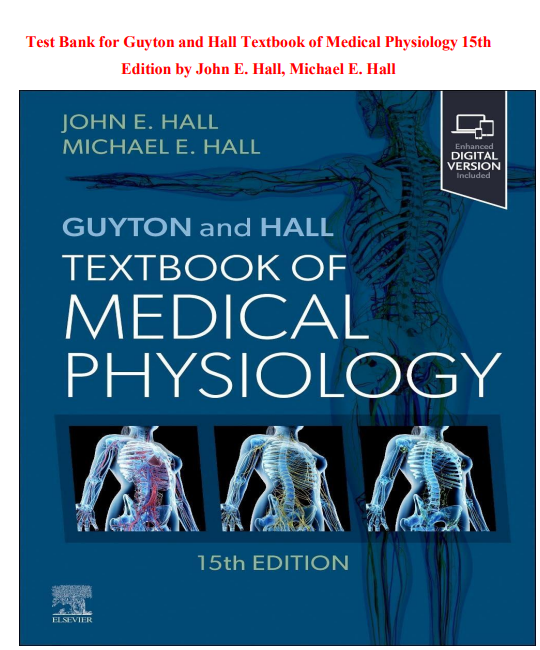
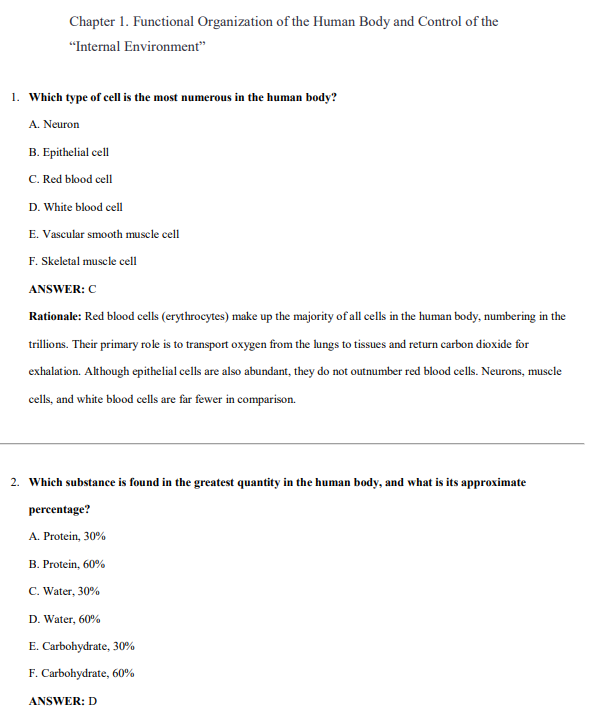
The Test Bank for Guyton and Hall Textbook of Medical Physiology (15th Edition) helps you simplify your study routine. Built to mirror the newest edition by Dr. John E. Hall and Dr. Michael E. Hall, this comprehensive test bank turns difficult concepts into clear, manageable practice questions.
Instead of re-reading long textbook chapters over and over, you can test your knowledge directly. Learn where your gaps are before exam day.
Why Medical Students and Healthcare Trainees Need This Test Bank
1. Build Deep Mechanistic Understanding
Medical exams do not ask for basic definition recall. They test function, cause-and-effect pathways, and feedback loops. Every question in this test bank challenges you to trace physiological processes step-by-step—from cellular transport to full organ systems.
2. High-Yield Practice for USMLE, NCLEX, and Board Exams
Whether you are preparing for medical school block exams, the USMLE Step 1, advanced nursing exams, or physician assistant boards, these practice questions match the style and difficulty of standardized medical exams.
3. Comprehensive Rationales for Every Question
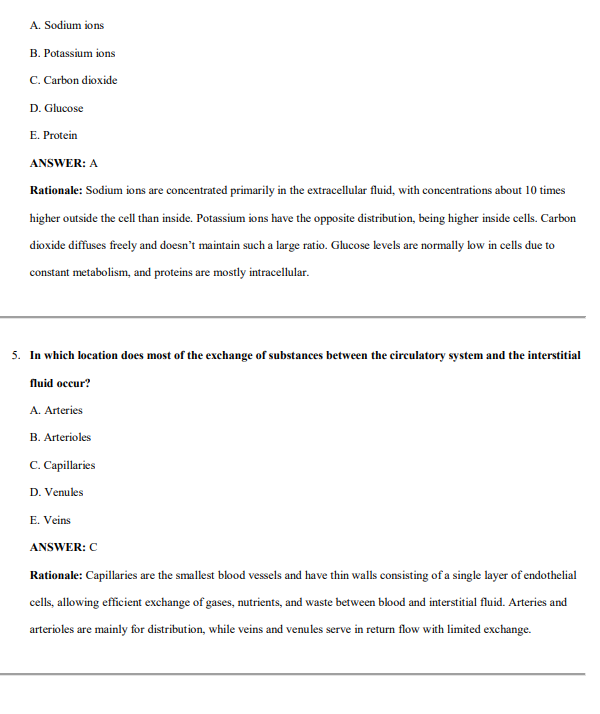
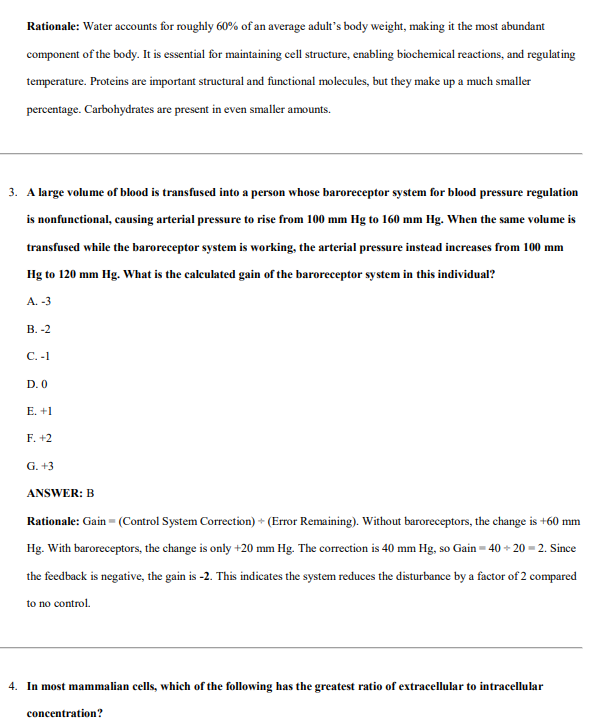
A correct answer choice is only useful if you know why it is right. Every question features a complete breakdown explaining the underlying physiology. You will learn why correct choices fit the physiological model and why distractor choices fall short.
Key Features at a Glance
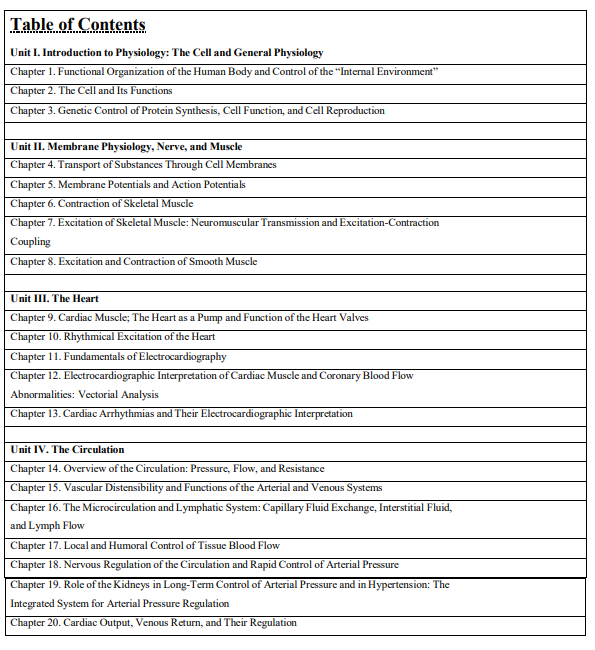
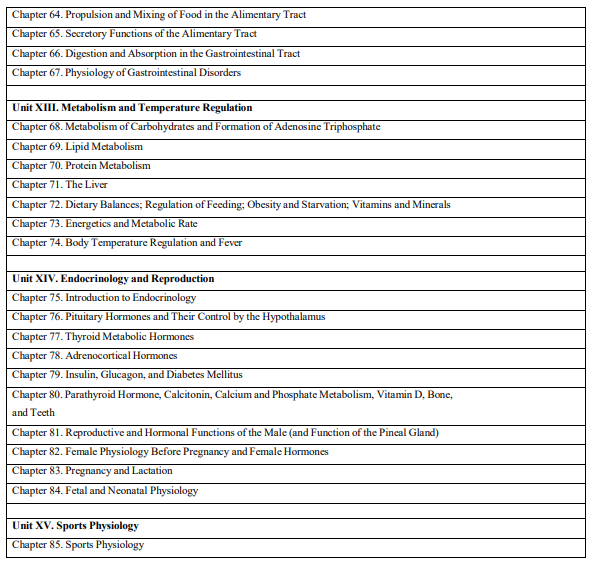
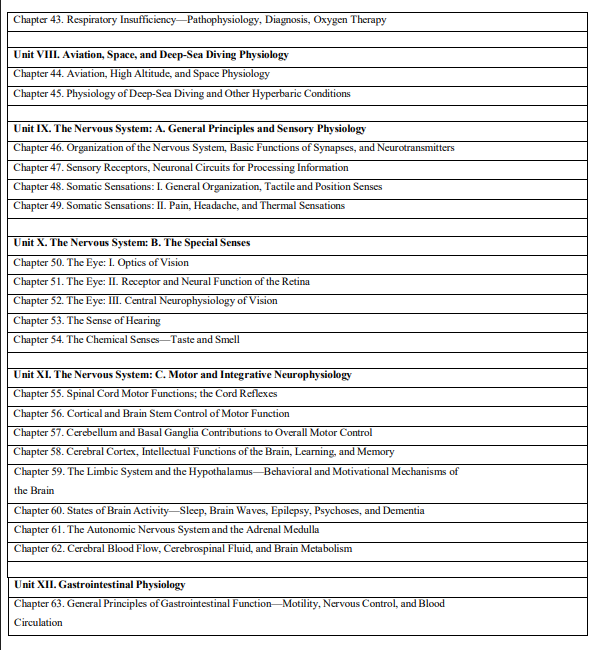
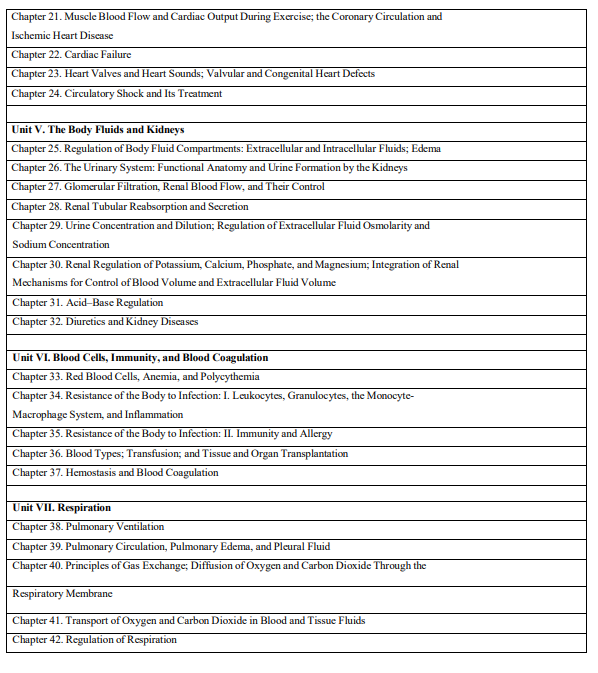
- Complete Chapter Coverage: Aligned chapter-by-chapter with all 15 units of the 15th edition text.
- Instant Digital File: Download immediately in PDF or Word format and study on any device.
- Verified Answer Key: Precise answers save you from wasting time searching through 1,000+ textbook pages.
- Focus on Homeostasis & Disease: Questions link normal physiological mechanisms to clinical conditions and organ failure.
Sample Physiology Practice Questions
Test your knowledge with these five sample questions from our practice bank.
Question 1
Topic: Cell Physiology and Transport Mechanisms
A research laboratory measures the intracellular and extracellular ion concentrations of a isolated cardiac cell. Which transport mechanism is directly responsible for maintaining the high concentration of extracellular sodium relative to intracellular sodium?
A. Simple diffusion through leak channels
B. Facilitated diffusion via carrier proteins
C. Primary active transport via the $\text{Na}^+$–$\text{K}^+$ ATPase pump
D. Secondary active transport via the sodium-calcium exchanger
- Correct Answer: C. Primary active transport via the $\text{Na}^+$–$\text{K}^+$ ATPase pump
- Rationale: The $\text{Na}^+$–$\text{K}^+$ ATPase pump directly uses ATP to pump 3 $\text{Na}^+$ ions out of the cell and 2 $\text{K}^+$ ions into the cell against their concentration gradients. This primary active transport mechanism creates and maintains the high extracellular sodium concentration. Simple and facilitated diffusion move ions down their concentration gradients, while secondary active transport relies on the sodium gradient established by the $\text{Na}^+$–$\text{K}^+$ pump.
Question 2
Topic: Nerve and Muscle Physiology
During the action potential of a mammalian nerve axon, what causes the rapid repolarization phase following membrane depolarization?
A. Inactivation of voltage-gated sodium channels and opening of voltage-gated potassium channels
B. Activation of ligand-gated chloride channels
C. Continuous opening of voltage-gated sodium channels
D. Closure of all potassium leak channels
- Correct Answer: A. Inactivation of voltage-gated sodium channels and opening of voltage-gated potassium channels
- Rationale: Peak depolarization triggers two events: voltage-gated sodium channels close rapidly (inactivation gate closes), stopping the influx of positive charge. At the same time, slow voltage-gated potassium channels fully open, allowing $\text{K}^+$ ions to rush out of the cell. This outward movement of positive charge quickly restores the negative membrane potential inside the cell.
Question 3
Topic: Cardiovascular Physiology
According to the Frank-Starling law of the heart, an increase in venous return to the right atrium leads to which direct physiological response?
A. A decrease in end-diastolic volume
B. An increase in stroke volume due to increased cardiac muscle fiber stretch
C. A decrease in force of contraction during systole
D. An increase in heart rate without changing contractile force
- Correct Answer: B. An increase in stroke volume due to increased cardiac muscle fiber stretch
- Rationale: The Frank-Starling mechanism states that the heart pumps all the blood returned to it within physiological limits. Increased venous return increases end-diastolic volume, stretching the cardiac muscle fibers. This stretch aligns actin and myosin filaments more optimally, increasing the force of contraction and raising stroke volume.
Question 4
Topic: Renal Physiology and Body Fluids
A patient is suffering from severe dehydration. In response, the posterior pituitary gland secretes Antidiuretic Hormone (ADH / Vasopressin). Which section of the nephron does ADH primarily act upon to increase water reabsorption?
A. Proximal convoluted tubule
B. Thin descending loop of Henle
C. Thick ascending loop of Henle
D. Late distal tubule and medullary collecting duct
- Correct Answer: D. Late distal tubule and medullary collecting duct
- Rationale: ADH binds to V2 receptors on the principal cells of the late distal tubules and collecting ducts. This triggers aquaporin-2 water channels to insert into the luminal membrane. Water is then reabsorbed into the hyperosmotic renal medulla, concentrating the urine and conserving body water.
Question 5
Topic: Respiratory Physiology
During quiet, normal expiration in a healthy adult at rest, which process drives the movement of air out of the lungs?
A. Active contraction of internal intercostal muscles
B. Active contraction of abdominal rectus muscles
C. Passive elastic recoil of the lungs and chest wall
D. Contraction of the diaphragm pushing upward
- Correct Answer: C. Passive elastic recoil of the lungs and chest wall
- Rationale: Normal quiet breathing expiration is a passive process. It does not require muscle contraction. When the diaphragm and external intercostal muscles relax after inspiration, the elastic tissues of the lungs and chest wall recoil inward. This increases intra-alveolar pressure above atmospheric pressure, pushing air out.
Frequently Asked Questions (FAQ)
What file format will I get after ordering?
You will get an instant digital download in PDF or DOCX format. You can study on your phone, tablet, laptop, or desktop computer.
Is this test bank updated for the 15th Edition?
Yes. All chapters, diagrams, and questions reflect the updated text of Guyton and Hall Textbook of Medical Physiology (15th Edition) by John E. Hall and Michael E. Hall.
Are these practice questions suitable for USMLE preparation?
Yes. The questions focus on core physiological concepts, pathway regulation, and clinical correlations, making them ideal practice for USMLE Step 1 and board exams.
Can I print out the pages?
Yes. You can print specific chapters or the entire file if you prefer studying on paper.
Is the download immediate after purchase?
Yes. Once your order goes through, you get an instant download link to access your files right away.
Take Control of Your Physiology Class Today
Do not get overwhelmed by thousands of textbook pages. Get the Test Bank for Guyton and Hall Textbook of Medical Physiology 15th Edition and prepare for your exams with clear, focused practice!
Bruno Molino –
An excellent resource to master medical physiology
Lucille Maria –
I have been struggling in class but this test bank has really helped
Jarrod Bent –
Preparing with these questions helped me nail my final exam
Terry Anne –
Very very helpful. Thanks for making this cheaply available
Thomas K. –
Perfect!
Alicia Silva –
Helpful questions for reviewing medical physiology before exams.
Beverly –
Makes independent study sessions easier to plan.
Caleb Martins –
Useful practice for strengthening understanding of clinical concepts.
Leo Fernandez –
Useful questions for testing knowledge after each topic.
Caleb Martins –
Great addition to my regular study materials.
Mary Kesh –
Helps keep exam preparation focused and consistent.