Pharmacology breaks a lot of nursing students. Not because they are not smart enough. But because the volume is enormous, the detail is unforgiving, and the questions never just ask what a drug does — they ask what you do with that information at the bedside.
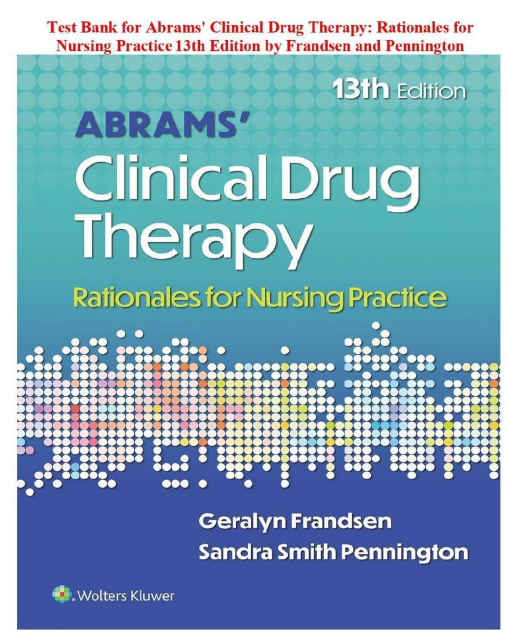
Abrams’ Clinical Drug Therapy: Rationales for Nursing Practice has been a cornerstone pharmacology textbook in nursing education for decades. The 13th edition, by Geralyn Frandsen and Sandra Pennington, stays true to what has always made it effective — grounding every drug class in clinical rationale and nursing application. This test bank was built to match that approach. Every question connects pharmacology to practice. You learn to think like a nurse who understands drugs, not just a student who memorized them.
What Is Inside
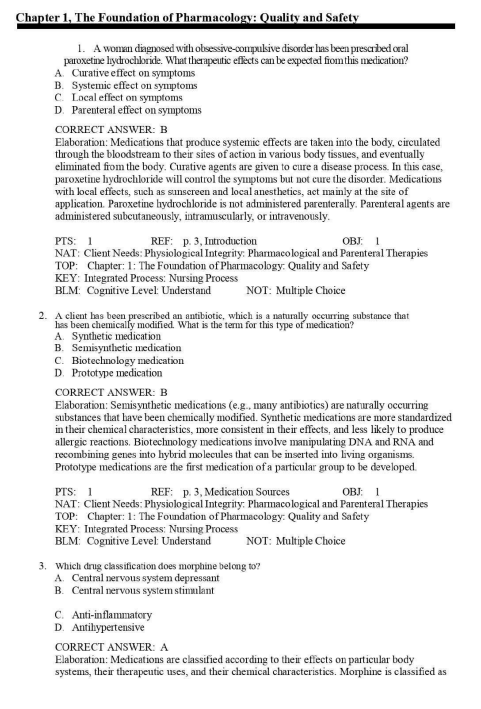
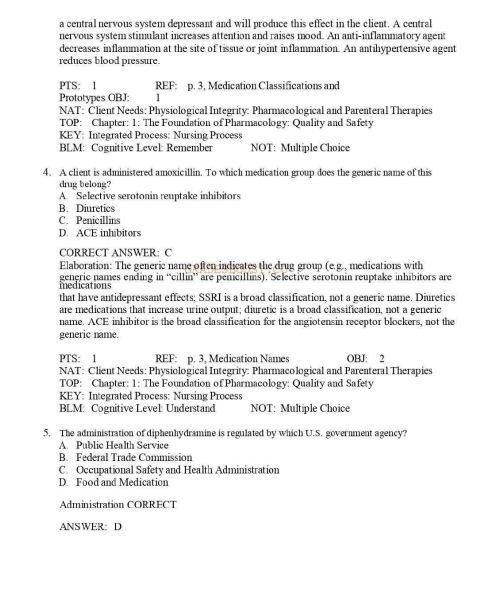
You get over a thousand practice questions covering every major drug class in the 13th edition. Questions come in multiple-choice, select-all-that-apply, and ordered response formats — consistent with nursing school exams and the NCLEX-RN. Every question has a correct answer and a full rationale explaining the clinical reasoning behind it and why each wrong option misses the mark.
Drug Classes and Topics Covered
The test bank spans every major pharmacological category in Frandsen and Pennington’s 13th edition, including pharmacokinetics and pharmacodynamics, drug interactions and adverse effects, safe medication administration, autonomic nervous system drugs, cardiovascular agents including antihypertensives, diuretics, antidysrhythmics, anticoagulants, and lipid-lowering drugs, central nervous system medications including analgesics, opioids, antiepileptics, antidepressants, antipsychotics, and anxiolytics, anti-infective agents across all major classes including antibiotics, antivirals, and antifungals, endocrine drugs including insulin, oral antidiabetics, thyroid agents, and corticosteroids, respiratory drugs including bronchodilators and inhaled steroids, gastrointestinal agents, immunologic and biologic drugs, oncology pharmacology, and special population pharmacology including pediatric dosing, pregnancy considerations, and pharmacology in older adults.
Who Should Use This
This test bank works for nursing students whose pharmacology course is based on Abrams’ 13th edition, NCLEX-RN candidates who want rigorous application-level pharmacology practice, nursing instructors building drug therapy exams who need a clinically grounded question pool, and faculty who want assessments that reflect the rationale-based philosophy Abrams’ is known for.
5 Sample Questions
Question 1 A patient taking digoxin reports nausea, blurred vision, and seeing yellow-green halos. The heart rate is 52 beats per minute. What is the nurse’s priority action?
A. Administer the next scheduled dose and monitor symptoms B. Hold the dose, check the digoxin level, and notify the provider C. Give an antiemetic and reassess in one hour D. Increase oral fluid intake to enhance drug excretion
Correct Answer: B These are classic signs of digoxin toxicity. Digoxin has a narrow therapeutic index and toxicity can be fatal. The nurse must hold the dose immediately, obtain a serum digoxin level, assess potassium levels since hypokalemia worsens toxicity, and notify the provider for further management.
Question 2 A nurse is preparing to administer IV vancomycin over 30 minutes. What is the priority assessment before starting the infusion?
A. Check the patient’s most recent liver function tests B. Confirm the infusion will run over at least 60 minutes C. Assess the patient’s urine output and renal function D. Verify the patient has no penicillin allergy
Correct Answer: C Vancomycin is nephrotoxic and renally cleared. Impaired renal function causes drug accumulation and increases toxicity risk. The infusion should also run over at least 60 minutes — not 30 — to prevent Red Man Syndrome, making option B also clinically important, but renal assessment is the priority before initiating therapy.
Question 3 A patient on warfarin reports taking ibuprofen daily for knee pain. What is the nurse’s primary concern?
A. Ibuprofen reduces warfarin absorption in the gut B. The combination significantly increases bleeding risk C. Ibuprofen causes warfarin to be excreted too quickly D. NSAIDs have no clinically significant interaction with warfarin
Correct Answer: B Ibuprofen inhibits platelet aggregation and can irritate the gastrointestinal lining, compounding warfarin’s anticoagulant effect and dramatically increasing the risk of serious bleeding. The provider must be notified and an alternative analgesic considered.
Question 4 A patient prescribed methotrexate for rheumatoid arthritis asks why they also need to take folic acid. What is the best response?
A. “Folic acid helps methotrexate work more effectively in your joints.” B. “Methotrexate depletes folate, and supplementing it reduces side effects like mouth sores and nausea.” C. “Folic acid prevents methotrexate from being absorbed too quickly.” D. “It protects your kidneys from the toxic effects of methotrexate.”
Correct Answer: B Methotrexate works by inhibiting folate metabolism, which can cause folate deficiency-related side effects including mucositis, nausea, and liver toxicity. Folic acid supplementation reduces these adverse effects without significantly diminishing the drug’s therapeutic efficacy in inflammatory conditions.
Question 5 A nurse is teaching a patient newly prescribed levothyroxine. Which instruction is most important?
A. “Take this medication with a full meal to improve absorption.” B. “Take it first thing in the morning on an empty stomach, 30 to 60 minutes before eating.” C. “You can take it at any time of day as long as it is consistent.” D. “Double your dose if you forget to take it the previous day.”
Correct Answer: B Levothyroxine absorption is significantly reduced by food, calcium, and other medications. Taking it on an empty stomach in the morning maximizes absorption and maintains consistent thyroid hormone levels. Doubling doses is never appropriate and can precipitate thyrotoxicosis.
Frequently Asked Questions
Is this the official Wolters Kluwer test bank? No. This is an independently developed resource based on Frandsen and Pennington’s 13th edition content. It is not published or endorsed by Wolters Kluwer or the original authors.
How many questions are included? Over a thousand, distributed across all major drug classes and chapters in the 13th edition.
Is this useful for NCLEX pharmacology preparation? Yes. Every question is written at the application or analysis level, mirroring how the NCLEX tests drug knowledge — through clinical scenarios, not isolated facts.
Does every question have a rationale? Yes. Every question includes a full rationale covering the correct answer and why each distractor is wrong.
What file format is the test bank delivered in? Typically Word or PDF, searchable by drug class or topic and accessible across devices.
Is this specific to the 13th edition? Yes. Drug guidelines and safety information change between editions. Confirm your course edition before purchasing.

Gerald N –
Perfect
Helen Christie –
I like very much
Peterson S. –
Exactly what i needed
Lucille Maria –
I like it a lot
Winnie M. –
Very relevant practice questions
Norah Helen –
I can now face my finals with confidence
Yunice M –
A solid test bank
Liam Mbogo –
Perfect for reinforcing key nursing concepts
Rosemary R –
Easy to use and very comprehensive
Morgan Fraiser –
Great resource for building confidence before exams
Beverly –
Well-organized questions for exam preparation.
Mary Lincoln –
Excellent resource for practicing clinical judgment questions.
Betty N. –
Made exam preparation feel more organized and manageable.
Mary Kesh –
It made reviewing my course material more interactive and productive